Changes in the mouth can sometimes be easy to miss. A quick dental check can help spot unusual sores, patches, lumps, or other changes in the mouth, lips, and throat. Oral cancer screenings in Buckhead are often done during regular dental checkups and usually take only a few minutes. They cannot confirm cancer, but they can help find areas that may need further testing.
Many early changes do not cause pain, so they may go unnoticed. Regular dental visits provide an opportunity to check these areas, especially if a sore or patch does not heal. A dentist can also explain what to watch for between visits and whether further examination is needed.
What Is an Oral Cancer Exam?
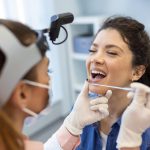
An oral cancer exam is a visual and physical check of the mouth and nearby areas. The dentist looks at the lips, cheeks, gums, tongue, floor and roof of the mouth, and the back of the throat. The neck and jaw may also be checked for unusual lumps or swelling.
During the exam, the dentist may:
- Look for red or white patches, sores, or changes in the mouth’s surface.
- Check the tongue and the inside of the cheeks.
- Feel the jaw, neck, and areas under the chin for lumps or swelling.
- Ask about symptoms such as ongoing pain, trouble swallowing, or a change in the voice.
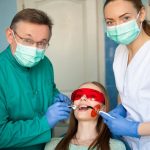
Some dental practices may use a special light or other tools to examine tissue more closely. These tools do not replace a careful examination or a biopsy when one is needed.
What Oral Cancer Signs Should Be Checked?
Oral cancer signs can look like common mouth problems at first. However, changes that do not heal or keep returning should be checked.
Watch for:
- A mouth sore that does not heal within two weeks.
- A red or white patch inside the mouth.
- A lump, thick area, or rough spot in the mouth or on the lip.
- Ongoing pain in the mouth, tongue, or throat.
- Difficulty chewing, swallowing, or moving the tongue.
- Numbness in the tongue or other parts of the mouth.
- A lasting change in the way teeth fit together or dentures feel.
- A lump in the neck.
These signs do not always mean cancer is present. Infections, injuries, and other conditions can cause similar changes. Still, persistent symptoms need a professional assessment.
How Often Do You Need an Oral Cancer Screening?
There is no single screening schedule for every person. An oral cancer screening is commonly included during routine dental checkups. The dentist may recommend more frequent checks if there are risk factors or previous unusual findings.
Factors that may increase the risk include:
- Tobacco use, including cigarettes and chewing tobacco.
- Heavy alcohol use.
- Human papillomavirus (HPV), especially certain types linked to cancers at the back of the throat.
- Previous oral cancer or certain precancerous changes.
- Increasing age.
People without known risk factors should still attend regular dental visits. A dentist near you can suggest an appropriate schedule based on health history, symptoms, and examination findings.
What Happens If an Unusual Area Is Found?
Finding an unusual patch or sore does not mean cancer has been diagnosed. The next step depends on how the area looks, how long it has been present, and whether it causes symptoms.
A dentist in Buckhead may:
- Review the medical and dental history and ask when the change first appeared.
- Check the area again and compare it with the surrounding tissue.
- Recommend a short follow-up if the change may be related to irritation or a minor injury.
- Refer the patient to an oral surgeon, specialist, or doctor for further assessment.
- Recommend a biopsy if needed. This involves taking a small tissue sample for testing.
A biopsy is the only way to confirm whether an abnormal area contains cancer cells. If cancer is found, further tests help determine its type and stage so an appropriate treatment plan can be made.
How Can You Lower the Risk of Oral Cancer?
Not every case can be prevented, but certain habits can lower the risk:
- Avoid smoking and all forms of tobacco.
- Limit alcohol or avoid it.
- Consider HPV vaccination according to age and medical guidance.
- Use lip balm with sun protection when spending time outdoors.
- Attend regular dental checkups and report lasting changes in the mouth.
Oral cancer screenings near you can also help identify changes that may need further attention, even before noticeable symptoms develop.
Make Regular Mouth Checks Part of Dental Care
Changes inside the mouth are easier to assess when they are checked early. Regular dental visits and timely attention to any sores, patches, or lumps can help identify concerns that may require further testing. For oral cancer screenings in Buckhead, contact the dentist at Smile ATL to arrange an examination and discuss any changes that have been noticed.
FAQs
How long does an oral cancer screening take?
A routine screening usually takes only a few minutes and may be completed during a regular dental examination.
Are oral cancer screenings painful?
No. A standard screening is usually painless. The dentist looks at the mouth and gently feels certain areas around the jaw and neck.
Can oral cancer develop without pain?
Yes. Early changes may not cause pain or other clear symptoms. This is one reason regular dental examinations and prompt checks of unusual mouth changes are important.
Do mouth sores that need checking always indicate cancer?
No. Many mouth sores develop because of irritation, infections, or accidental bites. A sore that lasts longer than two weeks should be examined to find the cause.