Tooth bonding is a simple dental treatment that can improve the shape, color, or appearance of a tooth. It uses a tooth-colored material that is placed directly on the tooth and shaped to create a more even look. Tooth bonding in Buckhead can be used for small chips, gaps, worn edges, or teeth that look uneven. The treatment usually requires little preparation and can often be completed in one visit.
Understanding how tooth bonding works, what it can fix, and how to care for it can help you decide whether this treatment may suit your smile.
What Is Tooth Bonding Used For?
Tooth bonding can fix small problems with the look and shape of your teeth. It usually does not require much removal of your natural tooth.
It may be used to:
- Fix small chips or cracks.
- Cover small stains
- Close small gaps between teeth
- Make uneven teeth look more even.
- Improve the shape of short or worn teeth.
- Cover and protect a small exposed area of a tooth.
Tooth bonding is usually best for small changes, not major damage or large gaps.
How Does Tooth Bonding Work?
The bonding process involves placing a tooth-colored resin on the surface of the tooth. The material is carefully shaped so it blends with the surrounding teeth.
A typical bonding appointment may include these steps:
- Tooth preparation: The tooth is cleaned and prepared so the bonding material can attach properly.
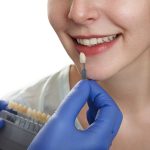
- Color selection: A shade is chosen to match the surrounding teeth as closely as possible.
- Material placement: The tooth-colored resin is applied to the area that needs improvement.
- Shaping: The material is shaped and adjusted to create the desired appearance.
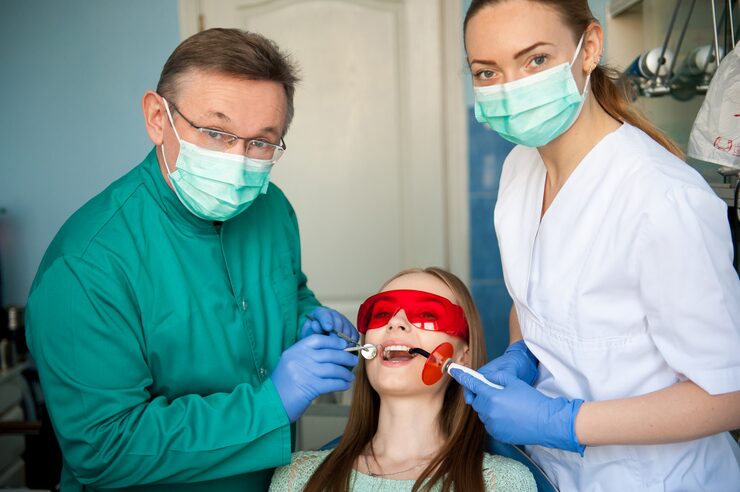
- Hardening: A special light is used to harden the material.
- Final adjustments: The bonded tooth is polished and checked to make sure the shape and bite feel comfortable.
This process allows the treatment to be tailored to the size and location of the area being repaired.
What Are the Benefits of Tooth Bonding?
Tooth bonding near you can be a useful option when only a small change is needed. It is often chosen because the treatment is relatively straightforward and can preserve much of the natural tooth.
Key benefits include:
- Minimal tooth preparation: Less natural tooth structure may need to be changed than with some other cosmetic treatments.
- Natural appearance: The material can be matched to the color of your teeth.
- Quick treatment: Small bonding repairs may be completed during a single visit.
- Versatile use: Bonding can address several minor appearance concerns.
- Simple repair: If bonding becomes damaged, it can often be repaired or replaced.
A dentist near you can assess the tooth and explain whether bonding is appropriate for your specific concern.
How Long Does Tooth Bonding Last?
The lifespan of bonding varies based on where it is placed, your bite, eating habits, and daily oral care. Bonding on teeth that experience heavy biting pressure may be more likely to chip or wear over time.
To help protect your results:
- Brush twice a day with a soft-bristled toothbrush.
- Clean between your teeth every day.
- Avoid biting hard objects such as pens or fingernails.
- Take care when eating very hard foods.
- Attend regular dental checkups.
- Contact your dental provider if the bonded area chips or feels different.
Good oral hygiene can also help protect the natural tooth around the bonded area.
Is Tooth Bonding Right for You?
Tooth bonding may be suitable when you want to correct a small cosmetic concern without extensive treatment; however, the condition of the tooth matters. Decay, gum problems, a large fracture, or heavy biting pressure may affect whether bonding is the best choice.
A dentist in Buckhead can examine the tooth and consider its health, size, position, and function before recommending treatment. In some cases, another restoration may provide better support or longer-term protection.
Give Your Smile a Simple Refresh!
Small imperfections can sometimes be improved without extensive dental treatment. Tooth bonding offers a practical way to repair minor chips, reshape uneven edges, or improve the appearance of selected teeth while preserving much of your natural tooth.
Book an appointment with Smile ATL to explore whether tooth bonding can help you achieve the smile changes you are looking for.
FAQs
Does tooth bonding hurt?
Tooth bonding is usually comfortable because only minor preparation is needed. If the tooth is sensitive or requires additional treatment, your dental provider can discuss ways to keep you comfortable.
Can tooth bonding fix a chipped tooth?
Yes. Tooth bonding can often fix small chips by adding tooth-colored material to the damaged area. Bigger or more serious damage may need another treatment.
Can bonded teeth look natural?
Yes. The bonding material can be selected to match the shade of your surrounding teeth and shaped to follow the natural appearance of the tooth.
Can you eat normally after tooth bonding?
In most cases, normal eating can resume after treatment. However, it is sensible to avoid biting very hard objects and follow any specific care instructions provided after your appointment.